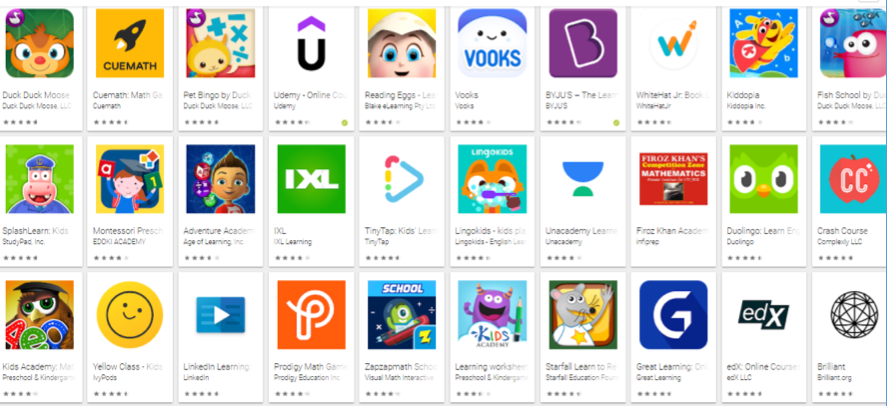
The Impact of Educational Apps on Student Engagement
The rise of educational apps has significantly transformed student engagement in recent years. By leveraging technology, these apps provide interactive and personalized learning experiences that cater to individual student needs. For instance, gamification elements integrated into these applications not only motivate students to participate but also make learning enjoyable. Research shows that students who engage with educational apps frequently demonstrate improved retention of information and a higher level of enthusiasm toward their studies.
Furthermore, educational apps facilitate collaboration among students, fostering a sense of community. Through discussion forums and social features, learners can exchange ideas, ask questions, and support each other in their academic pursuits. This collaborative approach encourages active participation, which is essential for enhancing student engagement. As educators increasingly incorporate these technologies into their curricula, the potential for improved learning outcomes and deeper involvement in the educational process continues to grow.
Top 10 Educational Apps Transforming Classrooms Today
In today's rapidly evolving educational landscape, technology plays a pivotal role in enhancing learning experiences. Among the myriad of tools available, educational apps stand out as transformative resources that are reshaping classrooms. From interactive lessons to personalized learning, these applications cater to diverse learning styles and needs. Here, we explore the top 10 educational apps that are making a significant impact in classrooms today:
- ClassDojo: A classroom management app that fosters positive behavior and communication between teachers, students, and parents.
- Kahoot: An interactive game-based learning platform that makes quizzes fun and engaging.
- Quizlet: A tool for creating flashcards and study sets that help students retain information.
- Google Classroom: A platform that simplifies teaching by streamlining assignments, feedback, and communication.
- Edmodo: A social learning network that connects teachers and students, facilitating collaboration.
- Seesaw: A student-driven digital portfolio that allows learners to showcase their work.
- Duolingo: An engaging language learning app that adapts to the user's proficiency level.
- Nearpod: An immersive learning platform enabling interactive presentations and real-time assessments.
- Flipgrid: A video discussion platform that encourages student voice and engagement.
- BrainPOP: An animated educational resource that provides engaging content across various subjects.
Are Educational Apps the Future of Learning?
As technology continues to evolve, educational apps have emerged as powerful tools that are reshaping the landscape of learning. These applications provide a flexible and interactive platform for students of all ages, allowing them to engage with educational content in a way that traditional methods often cannot. For instance, personalized learning experiences tailored to individual needs and preferences can greatly enhance a learner's ability to grasp complex subjects. Furthermore, the accessibility of educational apps on various devices means that learning can occur anytime and anywhere, breaking down geographical barriers and making quality education more attainable for everyone.
In addition to their convenience, educational apps also foster collaboration and communication among students and educators. Many applications include features such as discussion forums, real-time feedback, and multimedia resources that encourage participation and engagement. This shift towards a more interactive learning environment not only makes the educational experience more enjoyable but also prepares students for the demands of a digital world. As we look to the future, it's clear that educational apps hold significant promise in revolutionizing how we approach learning, making it more engaging, personalized, and effective.