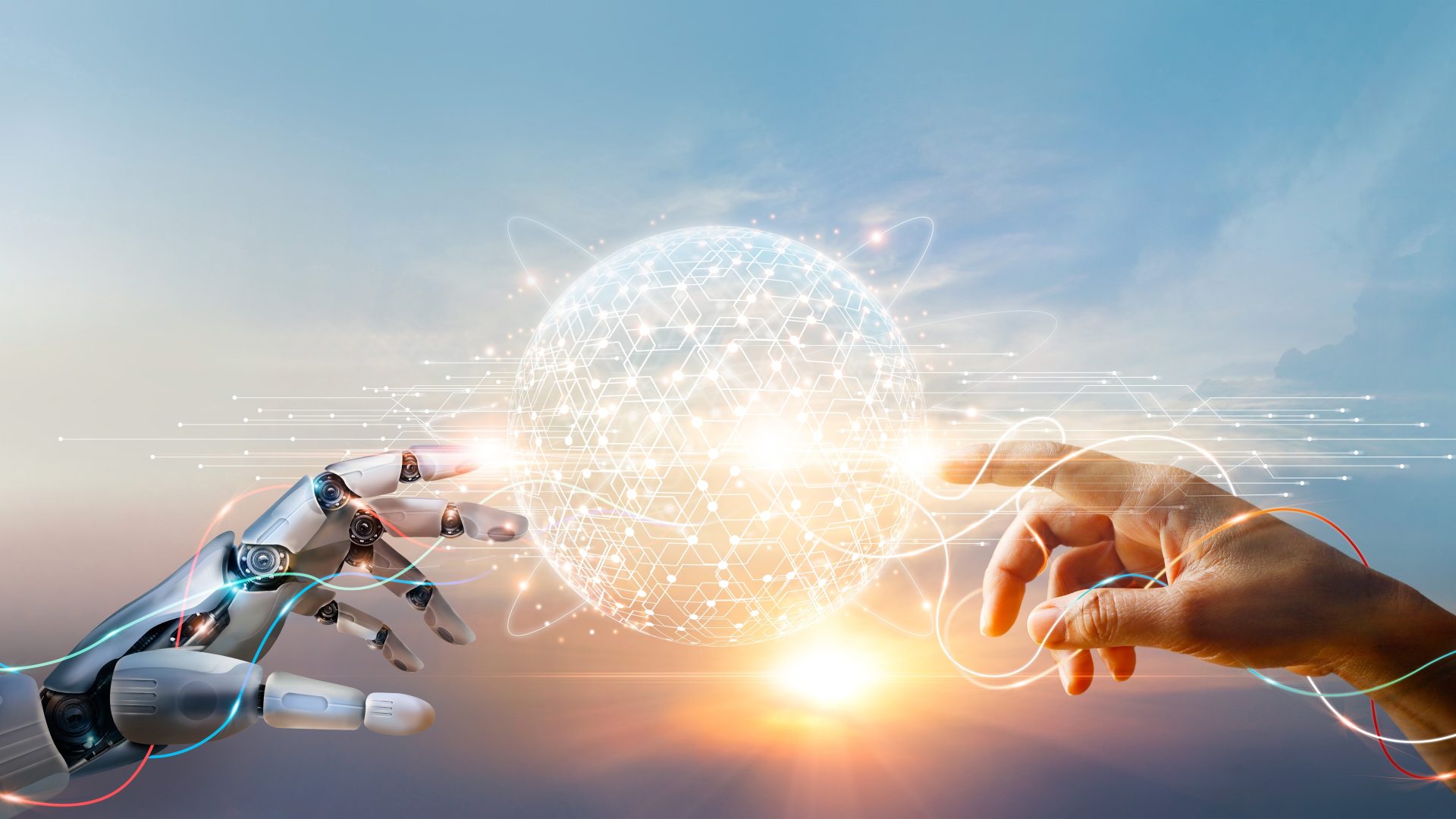
Understanding AI: The Benefits and Risks of Our Intelligent Assistants
Understanding AI has become increasingly vital as intelligent assistants permeate our daily lives. These technologies streamline numerous tasks, enhance productivity, and provide personalized experiences. Some of the key benefits of AI include:
- Increased Efficiency: AI can process data and perform tasks much faster than humans, allowing us to focus on higher-level functions.
- 24/7 Availability: Unlike human counterparts, intelligent assistants are always operational, offering support and services around the clock.
- Data Privacy: AI can help manage sensitive information with advanced security measures, ensuring user data remains safe.
However, with the rise of AI, we must also consider the associated risks. Understanding AI means acknowledging potential drawbacks, such as:
- Job Displacement: Automation can lead to job loss in certain sectors as machines become capable of performing tasks traditionally done by humans.
- Bias and Fairness: AI systems can inadvertently perpetuate existing biases present in their training data, leading to unfair outcomes.
- Privacy Concerns: The use of intelligent assistants often raises questions regarding data privacy, as these systems collect vast amounts of user information.
Is AI a Threat to Humanity? Exploring the Fine Line Between Friend and Foe
The question Is AI a Threat to Humanity? has sparked intense debate among experts and enthusiasts alike. As technological advancements accelerate, we find ourselves at a crucial juncture where artificial intelligence (AI) can serve as both a powerful ally and a potential adversary. While AI applications enhance efficiency across various sectors, from healthcare to education, concerns about ethical use, privacy, and job displacement loom large. The fine line between friend and foe is increasingly blurred as we grapple with the implications of AI that can outperform human capabilities in critical areas.
Proponents of AI argue that these systems can lead to unprecedented progress and innovation, providing solutions to problems that have long plagued humanity. However, detractors warn of the risks associated with creating autonomous systems that may operate beyond human control. As we delve into this complex issue, it's essential to consider both sides: the immense potential of AI as a transformative force and the threat it poses if left unchecked. Striking a balance between harnessing AI’s capabilities and safeguarding against its dangers might be the key to ensuring that our creations remain beneficial rather than detrimental.
How AI is Transforming Everyday Life: Friend, Foe, or Smart Assistant?
Artificial Intelligence is increasingly becoming a vital part of our everyday lives, serving as a smart assistant that enhances our daily tasks. From virtual assistants like Siri and Alexa to personalized recommendations on platforms like Netflix and Amazon, AI is reshaping how we interact with technology. These tools not only streamline household chores and enhance productivity but also cater to our unique preferences through data-driven insights. As a result, AI acts as a supportive friend, offering convenience and efficiency that were once unimaginable.
However, with great power comes great responsibility, and the same technology that serves as a helpful companion can also be seen as a foe. Concerns about data privacy, security, and the potential displacement of jobs fuel debates on the ethical implications of AI. As we embrace this transformative technology, it's essential to find a balance between harnessing its benefits and addressing its drawbacks, ensuring that AI remains a smart assistant that uplifts humanity without compromising our values and security.