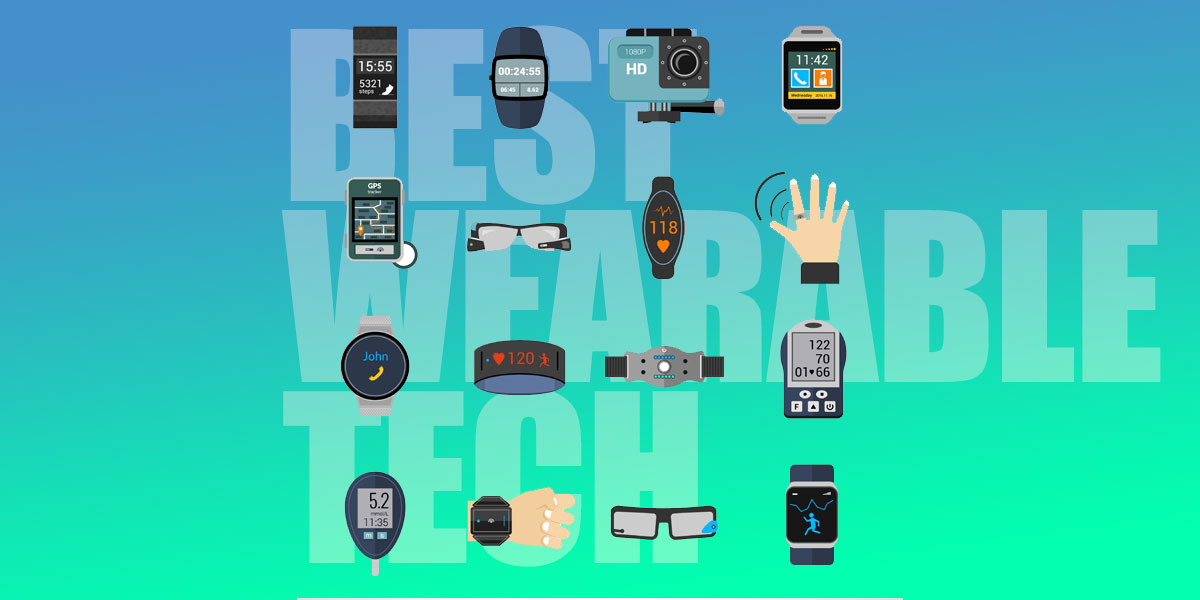
10 Must-Have Wearable Gadgets for Tech Enthusiasts
For tech enthusiasts, staying up to date with the latest in wearable gadgets is a must. Among the top devices that tech lovers should consider are:
- Smartwatches - These multifunctional devices not only tell the time but also monitor health metrics, send notifications, and even control smart home devices.
- Fitness Trackers - Perfect for those who prioritize health, fitness trackers provide insights into physical activity, heart rate, and sleep patterns.
- Wireless Earbuds - Offering superior sound quality and hands-free convenience, these are essential for enjoying music or podcasts on the go.
- Smart Glasses - Pioneering augmented reality features, smart glasses can enhance the way tech enthusiasts interact with the world.
- Wearable Cameras - Ideal for capturing adventures, these compact gadgets allow for hands-free photo and video recording.
Continuing the list of must-have gadgets, consider these:
- VR Headsets - For an immersive experience, virtual reality headsets transport users into a different world, making them a favorite among gamers.
- Smart Rings - Compact and stylish, these rings can track health metrics and offer customizable alerts.
- Wearable Medical Devices - Essential for those managing chronic conditions, these gadgets monitor vital statistics and alert users to potential health risks.
- Sleep Trackers - Improving sleep quality is key for overall wellness; these wearables analyze sleep patterns to help users get the rest they need.
- Pet Wearables - Tech-savvy pet owners can keep track of their furry friends' activity levels and health with specialized wearables.
How Wearables Are Changing the Way We Live: A Deep Dive
In recent years, wearable technology has increasingly permeated our daily lives, offering innovative solutions that reshape how we manage our health, fitness, and overall well-being. Devices such as smartwatches, fitness trackers, and smart glasses empower users to monitor their activity levels, track vital signs, and receive real-time notifications. This accessibility allows individuals to take a more proactive approach to their health by setting personal goals and receiving instant feedback. For instance, many wearables come equipped with heart rate monitors and sleep tracking capabilities, providing users with valuable insights into their bodily functions that were once only possible through clinical assessments.
Beyond health and fitness, wearables are also transforming the way we communicate and interact with our environment. Smartwatches and augmented reality glasses enable users to stay connected without needing to constantly check their phones, allowing for a more seamless integration of technology into social interactions. Additionally, wearables play a significant role in enhancing workplace productivity by offering hands-free communication and task management tools. As we move forward, it’s clear that the influence of wearable technology will only grow, fostering a future where our devices not only accompany us but also enrich our everyday experiences.
Are Wearables the Future of Health Monitoring?
As technology continues to evolve at an unprecedented rate, wearables have emerged as a promising innovation in the realm of health monitoring. From smartwatches that track heart rate and sleep patterns to fitness bands that measure daily activity levels, these devices provide individuals with real-time data about their health. This continuous stream of information not only empowers users to take control of their well-being but also facilitates early detection of potential health issues. With the global market for wearables projected to soar in the coming years, it's clear that they are becoming an integral part of personal health management.
The future of health monitoring lies in the seamless integration of wearables with advanced data analytics and artificial intelligence. By harnessing the power of big data, these devices can offer personalized insights and recommendations tailored to individual health needs. For instance, wearables equipped with machine learning algorithms can analyze patterns in a user's health data to predict possible health risks, leading to timely interventions. As society increasingly embraces a proactive approach to health, the reliance on wearables for comprehensive health monitoring is likely to intensify, making them a cornerstone of modern healthcare.