Top 5 Nutrients Your Muscles Need for Maximum Growth
When it comes to achieving maximum muscle growth, ensuring your body receives the right nutrients is essential. Here are the top 5 nutrients your muscles need to optimize their development:
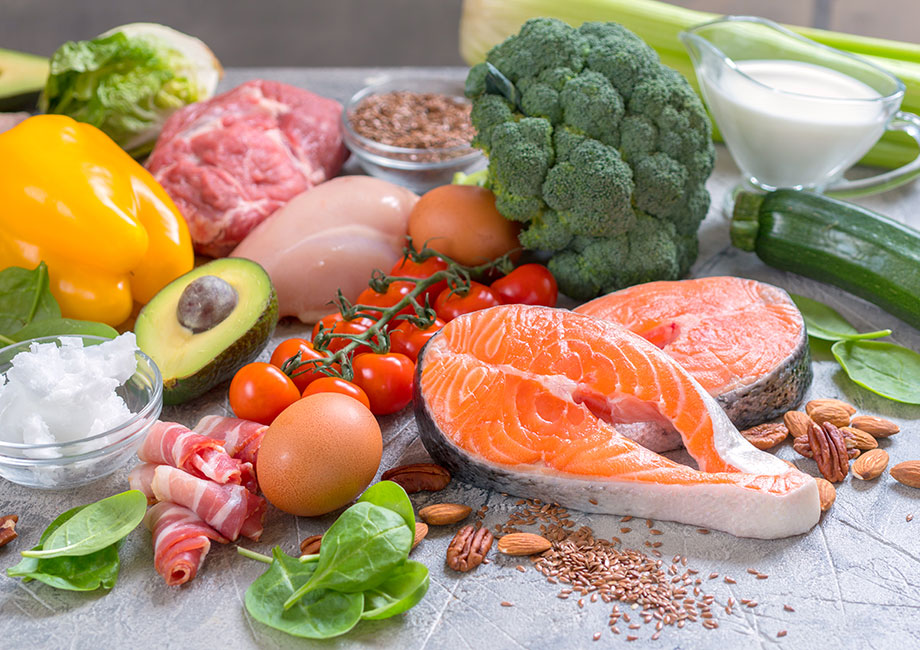
- Protein: This macronutrient is foundational for muscle repair and growth. Sources high in protein include lean meats, dairy products, and plant-based proteins.
- Creatine: Known for its role in energy production during high-intensity training, creatine can significantly enhance muscle mass. Learn more about its benefits on Creatine supplementation.
- Omega-3 Fatty Acids: These healthy fats aid in reducing muscle soreness and inflammation. Incorporate sources like fatty fish or chia seeds.
- Vitamins: Specifically, Vitamin D and B vitamins play crucial roles in muscle metabolism. Check out how Vitamin D can influence your strength and muscle mass.
- Minerals: Important minerals like magnesium and zinc directly impact muscle contraction and recovery. For an in-depth look at their functions, visit Minerals in Exercise.
Is Protein Timing Important for Muscle Development?
The concept of protein timing refers to strategically consuming protein at specific times to maximize muscle growth and recovery. Many fitness enthusiasts believe that eating protein immediately after a workout is crucial for muscle development; studies suggest that post-workout protein consumption can indeed support muscle repair. However, recent research indicates that the total amount of protein consumed throughout the day may play a more significant role than the timing of intake alone. To optimize muscle development, focus on meeting your daily protein needs rather than stressing over the exact timing of each meal.
Furthermore, some experts argue that spreading protein intake evenly throughout the day could lead to more effective muscle protein synthesis.1 For instance, aiming for approximately 20-30 grams of high-quality protein per meal can help maximize anabolic responses. Ultimately, while protein timing may have its benefits, it's essential to prioritize quantity and quality of protein intake to see substantial gains in muscle development. In conclusion, consider your overall dietary habits and ensure that you are fueling your body adequately throughout the day to support your fitness goals.
How to Create a Muscle-Building Meal Plan: Tips and Tricks
Creating a muscle-building meal plan is crucial for anyone looking to increase their muscle mass effectively. It’s essential to focus on the right balance of macronutrients: proteins, carbohydrates, and fats. Ensure that your diet consists of high-quality protein sources such as lean meats, fish, eggs, and legumes. Aim for about 1.6 to 2.2 grams of protein per kilogram of body weight each day. Additionally, don’t neglect carbohydrates, which are vital for fueling your workouts and promoting recovery. Include nutrient-dense carbohydrates such as whole grains, fruits, and vegetables in your meal plan to maintain energy levels throughout the day.
To effectively structure your muscle-building meal plan, consider incorporating multiple meals and snacks throughout the day. A simple way to begin is by planning 4-6 meals each day, with protein-rich options at each meal. Here are a few tips to enhance your plan:
- Meal Prep: Prepare your meals in advance to avoid unhealthy choices.
- Hydrate: Drink plenty of water to aid digestion and recovery.
- Monitor Progress: Keep track of your nutrient intake and adjust as needed to meet your goals.
Lastly, consult with a nutritionist or use reliable resources such as Bodybuilding.com to tailor your meal plan to your specific needs.