Top 10 Protein-Rich Foods to Supercharge Your Workout Gains
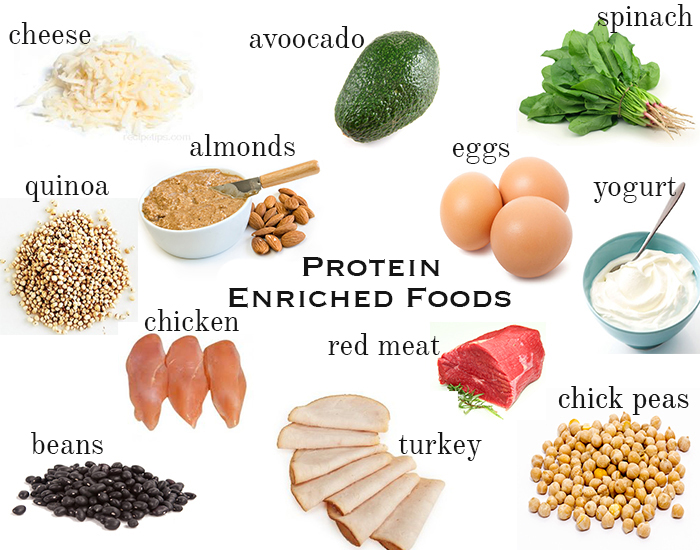
When it comes to maximizing your workout gains, incorporating protein-rich foods into your diet is essential. Protein plays a vital role in muscle recovery and growth, making it a key component of any fitness regimen. In this article, we’ve compiled a list of the top 10 protein-rich foods that can help fuel your workouts and enhance your performance.
- Chicken Breast: A lean source of protein, chicken breast is a favorite among fitness enthusiasts for its versatility and low-fat content.
- Greek Yogurt: Packed with protein and probiotics, Greek yogurt makes for a perfect post-workout snack.
- Quinoa: This complete protein is not only nutritious but also gluten-free, providing essential amino acids.
- Lentils: An excellent plant-based protein source, lentils are rich in fiber and great for muscle recovery.
- Eggs: Loaded with essential amino acids, eggs are a staple in many athletes' diets, ideal for muscle building.
- Tofu: A fantastic protein option for vegetarians, tofu absorbs flavors well and is incredibly versatile in cooking.
- Fish: Fish like salmon and tuna offer high-quality protein along with omega-3 fatty acids, which are important for heart health.
- Cottage Cheese: High in casein protein, cottage cheese is perfect for a snack that keeps you feeling full.
- Nuts and Seeds: Almonds, chia seeds, and flaxseeds are great for adding protein along with healthy fats to your diet.
- Protein Shakes: A quick and convenient way to boost your protein intake immediately after a workout.
How Much Protein Do You Really Need for Optimal Muscle Growth?
When it comes to muscle growth, protein intake is a crucial factor that athletes and fitness enthusiasts often debate. The recommended dietary allowance (RDA) for protein is 0.8 grams per kilogram of body weight, but for those looking to maximize muscle growth, this number significantly increases. Most studies suggest that a daily intake of between 1.6 to 2.2 grams per kilogram may be optimal, particularly for individuals engaged in regular resistance training. This higher intake helps to provide the necessary amino acids required for muscle repair and growth, ensuring that the body can recover efficiently from workouts.
It's important to note that not all protein sources are created equal. Incorporating a variety of protein-rich foods, such as lean meats, fish, eggs, dairy, and plant-based options like legumes and nuts, can help achieve better results. Additionally, spreading your protein intake throughout the day, ideally in 4-6 meals, allows for improved protein synthesis. For those who train intensely, experimenting with protein timing and adding supplements like whey protein could also enhance muscle recovery and growth. Ultimately, understanding your body's specific needs and adjusting your protein intake accordingly is essential for achieving optimal muscle growth.
Exploring the Benefits of Plant-Based Proteins for Fitness Enthusiasts
For fitness enthusiasts, incorporating plant-based proteins into their diet can lead to a multitude of benefits. Unlike traditional meat-based proteins, plant-based options such as beans, lentils, and quinoa are not only high in protein but also rich in essential nutrients and fiber. This can contribute to better digestion and overall health, while still providing the energy needed for intense workouts. Furthermore, many plant sources are lower in saturated fats compared to animal proteins, making them heart-healthy alternatives that can help in maintaining optimal body weight and reducing the risk of chronic diseases.
Another advantage of choosing plant-based proteins is their positive impact on muscle recovery and performance. These proteins are often packed with antioxidants, which can help reduce inflammation and soreness after workouts. Incorporating a variety of plant-based protein sources can also ensure that fitness enthusiasts receive a comprehensive array of amino acids, vital for muscle repair and growth. By integrating foods such as chickpeas, hemp seeds, and tempeh into their meals, athletes can support their fitness goals while nourishing their bodies in a sustainable and environmentally friendly way.