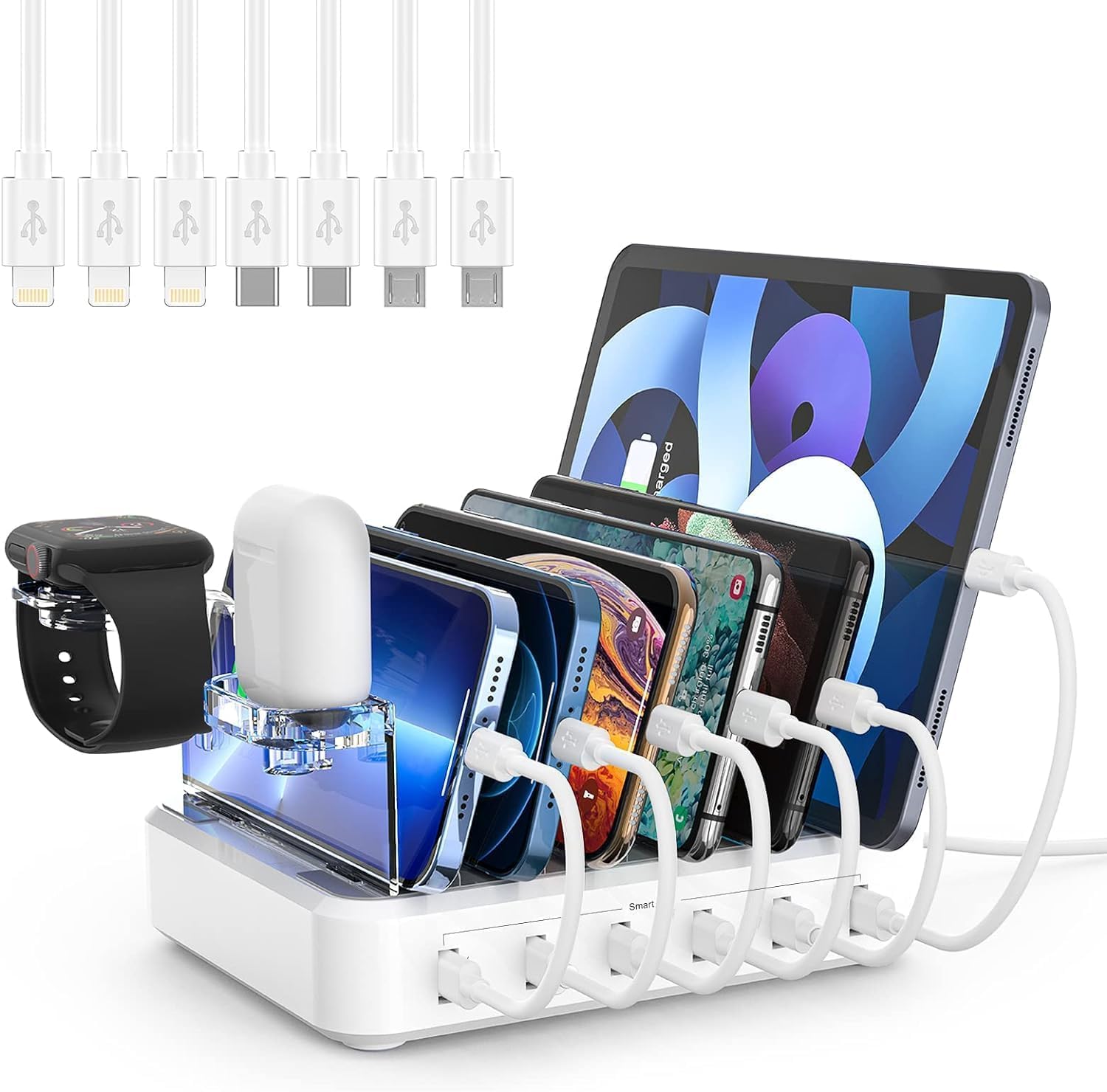
Fast Charging vs. Slow Charging: What's the Real Difference?
When it comes to battery charging technology, fast charging and slow charging represent two distinct approaches with their own advantages and disadvantages. Fast charging utilizes higher voltage and current to rapidly replenish a device's battery, allowing you to gain a significant charge in a shorter amount of time. This is particularly beneficial for users who are always on the go and need their devices charged quickly. However, this method may generate excess heat, which can affect the battery's overall lifespan if used excessively.
On the other hand, slow charging is a more gradual approach that uses lower voltage and current, resulting in a longer charging time. While it may not be suitable for those in a hurry, slow charging is often gentler on the battery and can enhance its longevity and performance over time. Additionally, slow charging is a preferable option for overnight charging, as it minimizes heat buildup and helps maintain the battery's health. Ultimately, understanding the nuances of both methods can help users make informed decisions based on their specific needs.
If you're looking for durability and flexibility in your charging and data transfer, consider the Top 10 Braided USB C Cables. These cables not only come in various lengths but also boast reinforced connectors that prevent fraying. Perfect for both everyday use and heavy-duty tasks, these braided cables are designed to withstand wear and tear.
The Science Behind Fast Charging: How Does It Work?
The science behind fast charging lies in the manipulation of electrical current and voltage to significantly reduce the time it takes to charge a device. Traditional charging methods typically use lower voltage and current levels, resulting in slower charging times. However, fast charging technology leverages higher power levels by adjusting both voltage and current dynamically. This is usually accomplished through a process known as power delivery, which enables devices to negotiate the optimal charging specifications based on their requirements. For example, a fast charger might increase the voltage to 9V or even 20V, while also allowing higher current levels, leading to a much faster charge cycle.
Furthermore, many modern devices use lithium-ion batteries that are specifically engineered to handle these fast charging rates efficiently. It's essential to manage thermal regulation during the fast charging process to prevent overheating, which could cause damage or reduce battery lifespan. Advanced battery management systems monitor the battery's temperature and adjust the charging speed accordingly. This dynamic adjustment is crucial because, at high temperatures, lithium-ion batteries can enter a state of thermal runaway, leading to safety hazards. Thus, by regulating voltage and current and incorporating advanced safety features, fast charging transforms our experience with technology, making it more convenient and time-efficient.
Is Slow Charging Better for Your Battery Life? Find Out!
When it comes to maintaining the longevity of your device's battery, one common question arises: Is slow charging better for your battery life? The short answer is yes. Slow charging, generally defined as charging at a lower wattage, minimizes the heat generated during the charging process. Heat is a major enemy of lithium-ion batteries, which are commonly used in smartphones and laptops. By opting for a gradual charging method, you can significantly reduce stress on the battery, leading to improved lifespan and overall performance.
Moreover, slow charging is beneficial for preserving the battery's capacity over time. Frequent exposure to rapid charging can lead to faster degradation, as it forces the battery's chemical components to undergo rapid voltage fluctuations. To maximize battery health, consider using chargers that provide a lower current output. As a rule of thumb, slow charging should be the norm if you're not in a hurry, allowing your device to reach full charge gradually and efficiently, ultimately prolonging battery life.