What is Spatial Audio and How Does It Transform Your Listening Experience?
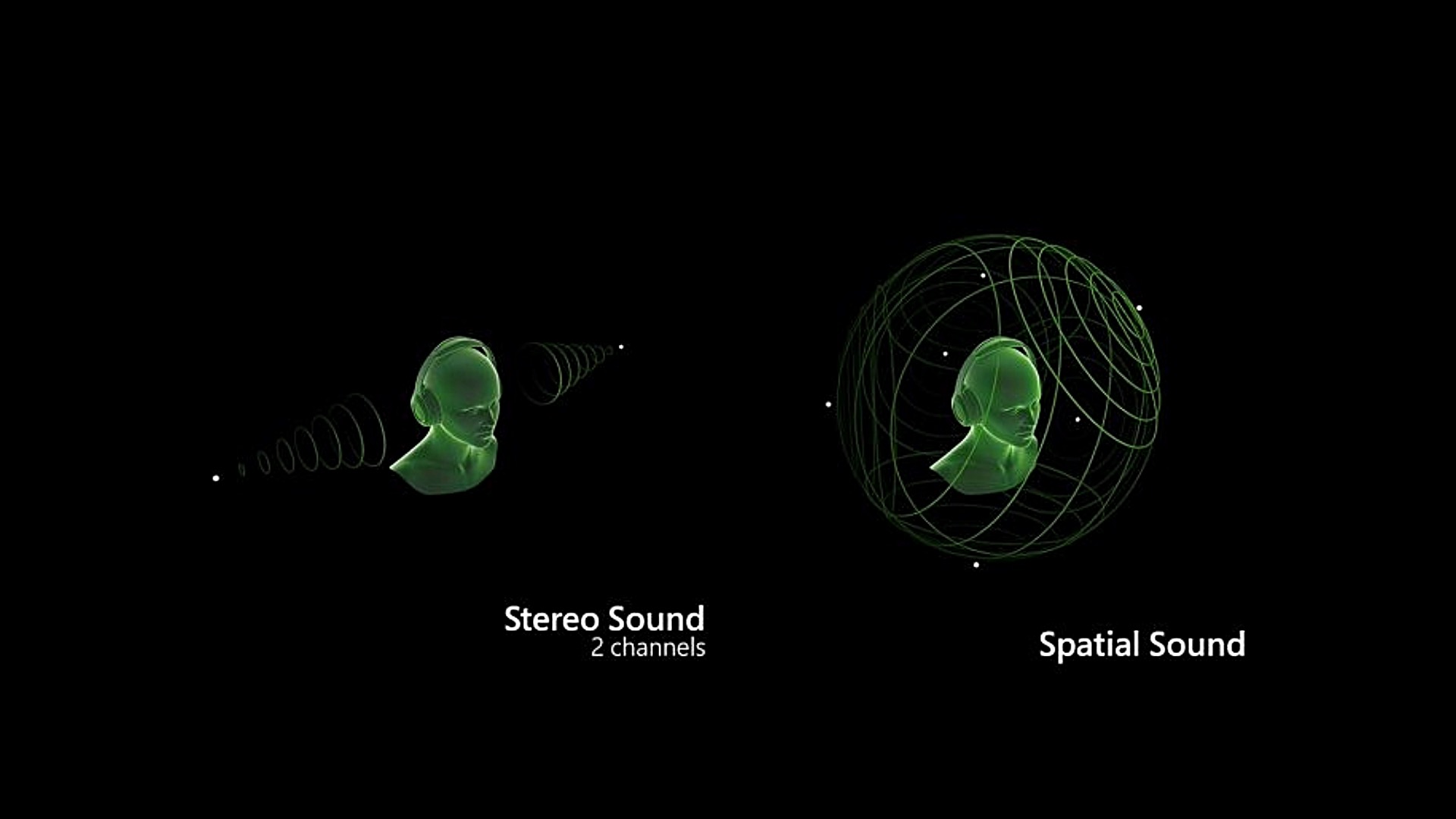
Spatial audio is an innovative audio technology that creates an immersive listening experience by simulating sound directionality and depth, making it feel as though the sound is coming from all around you rather than just from your headphones or speakers. It leverages advanced algorithms and device capabilities to produce multi-dimensional soundscapes, allowing listeners to perceive audio in a way that closely mimics real life. This technology is particularly beneficial in applications such as music, movies, video games, and virtual reality, where the accurate placement of sound enhances emotional engagement and storytelling.
One of the major benefits of spatial audio is its ability to transform traditional stereo sound into a three-dimensional experience. For instance, in a music track, you might hear the vocals coming from the center while instruments appear to surround you—creating a rich tapestry of sound. This immersiveness allows users to pick up on subtle nuances that would be lost in standard audio formats. Moreover, as more content becomes available in spatial audio formats, listeners can enjoy enhanced personalization and interaction with their media, revolutionizing the way we consume audio and elevating everyday listening to an extraordinary experience.
If you're looking to elevate your listening experience, the Top 10 spatial audio headphones offer immersive sound quality and innovative technology. These headphones are designed to create a 3D audio environment, making them perfect for music lovers, gamers, and movie enthusiasts. Explore the latest models to find the perfect pair that suits your needs.
The Science Behind Spatial Audio: Understanding Sound Localization
The phenomenon of spatial audio hinges on our ability to perceive sound from various directions, a capability rooted in the complex anatomy of our ears and brain. Sound localization, the process through which we identify the origin of a sound, involves several physiological mechanisms. Our ears are spaced about 6 to 8 inches apart, allowing for the detection of sound waves from different angles. When a sound wave reaches one ear slightly earlier than the other, this discrepancy aids the brain in pinpointing the source's location. Additionally, the shape of our outer ears helps to filter sounds, enhancing our ability to discern between sounds coming from the front, back, or sides.
Modern advancements in technology have led to the development of spatial audio in virtual and augmented reality environments, mimicking real-world sound localization to create immersive experiences. Techniques such as binaural recording capture sound as it would naturally be heard by human ears, enhancing the perception of depth and directionality. As we delve deeper into the science behind sound localization, it becomes evident that mastering these principles can significantly improve not only entertainment experiences but also communication clarity in fields such as teleconferencing and gaming.
5 Ways Spatial Audio Enhances Music, Movies, and Gaming
Spatial audio is revolutionizing the way we experience music, movies, and gaming by providing an immersive sound experience that traditional audio formats simply cannot match. One of the primary ways it enhances music is by recreating a three-dimensional sound environment, allowing listeners to feel as if they are inside the music itself. For instance, with spatial audio, each instrument can be distinctly placed around the listener, offering a more dynamic and engaging listening experience. Moreover, movies benefit from this technology as sound effects and dialogue can be positioned in a way that mirrors real life, making the viewer feel as if they are part of the action.
In the realm of gaming, spatial audio plays a pivotal role in enhancing gameplay by providing players with accurate auditory cues related to their environment. This technology allows gamers to pinpoint the location of sounds, such as footsteps or gunfire, with stunning precision, leading to a more competitive edge in immersive titles. Furthermore, as we embrace innovations in spatial audio, future possibilities are limitless, paving the way for even more realistic interactions in virtual reality experiences and beyond. In sum, spatial audio is set to redefine how we engage with music, movies, and gaming for years to come.