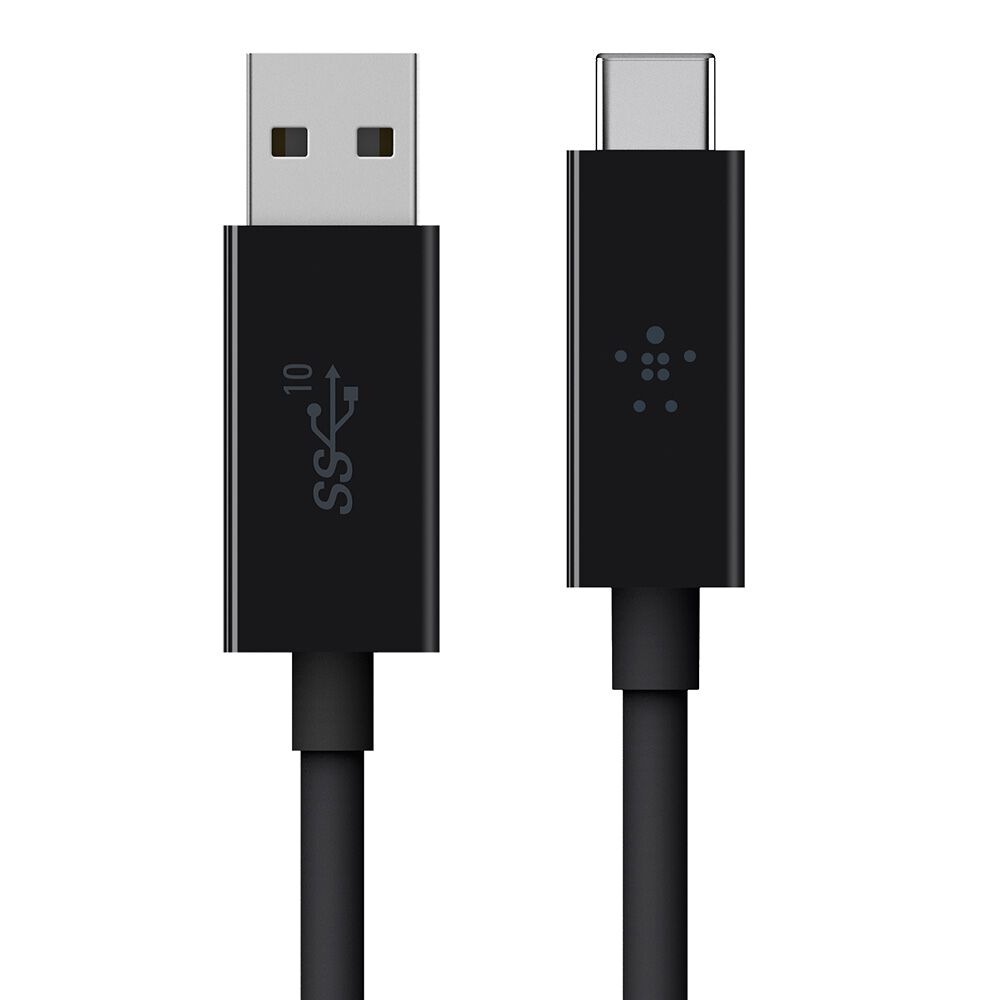
The Versatility of USB Type C: A Deep Dive into Its Features
The USB Type C standard has quickly become a staple in modern technology, thanks to its remarkable versatility and robust feature set. Unlike its predecessors, USB Type C cables and ports are reversible, allowing for easy connections regardless of orientation. This simple design improvement means users no longer have to fumble with connectors, making it user-friendly for everyone, from tech enthusiasts to casual users. Moreover, USB Type C supports a range of protocols, including USB 3.1, Thunderbolt 3, and DisplayPort, enabling high-speed data transfer rates of up to 10 Gbps and the capability to drive multiple device types from a single connection.
Another noteworthy feature of USB Type C is its ability to deliver power effectively. With the USB Power Delivery (USB PD) protocol, it can supply up to 100 watts of power, which is sufficient for charging laptops and other high-powered devices. This flexibility eliminates the need for multiple chargers and cables, streamlining the user's experience. Additionally, the protocol allows for intelligent power management, ensuring devices receive only the power they need, enhancing safety as well as efficiency. As technology continues to evolve, the significance of USB Type C cannot be overstated; its implementation is likely to expand further, paving the way for a more interconnected and efficient tech ecosystem.
When it comes to fast charging devices, choosing the right USB-C cable is essential. The Top 10 Fast Charging USB C Cables offer impressive speed and durability, ensuring your devices charge quickly and efficiently. From high-quality brands to budget-friendly options, these cables are designed to meet various charging needs.
How USB Type C is Revolutionizing Connectivity in Modern Devices
The advent of USB Type C has marked a significant turning point in the realm of connectivity. Unlike its predecessors, USB Type C is designed to be a universal solution, providing a single port for multiple devices. This means that whether you're connecting a smartphone, laptop, or tablet, you can enjoy seamless data transfer and power delivery through one compact connector. Furthermore, the reversible design of USB Type C enhances user convenience, allowing connections to be made without the hassle of orientation. As a result, this innovation is streamlining device design and promoting a more organized tech ecosystem.
Moreover, USB Type C is pushing the boundaries of speed and efficiency. With capabilities of supporting data transfer rates up to 10 Gbps via USB 3.1, it far surpasses the performance of older USB variants. This increased bandwidth enables quicker file transfers, enhancing productivity for both professionals and casual users alike. Additionally, its ability to deliver power up to 100 watts means faster charging for devices, reducing downtime significantly. As technology continues to evolve, the widespread adoption of USB Type C is not just a trend; it is a fundamental shift that is revolutionizing how we connect and power our devices.
Why USB Type C is the Future: Answering Your Most Common Questions
As technology continues to evolve, USB Type-C is poised to become the universal connector that simplifies our digital lives. By delivering high-speed data transfer, enhanced power delivery, and versatile compatibility, this small yet mighty port is quickly gaining traction in various devices, from smartphones to laptops. Many users wonder about its advantages, such as charging speed and the ability to connect multiple peripherals simultaneously. With its reversible design, USB Type-C eliminates the frustration of plugging in cables the wrong way, making it not just a practical choice but a necessary one for future tech integration.
One of the most common questions surrounding USB Type-C is its compatibility with existing devices. While it’s true that many older devices use different connectors, numerous adapters and cables are available to bridge the gap. Additionally, major tech companies are starting to embrace USB Type-C standards, signaling a shift in the industry. As we move forward, you can expect to see more devices adopting this format, further cementing its status as the future of connectivity. By understanding these key benefits and compatibility factors, consumers can make informed decisions about their tech investments.