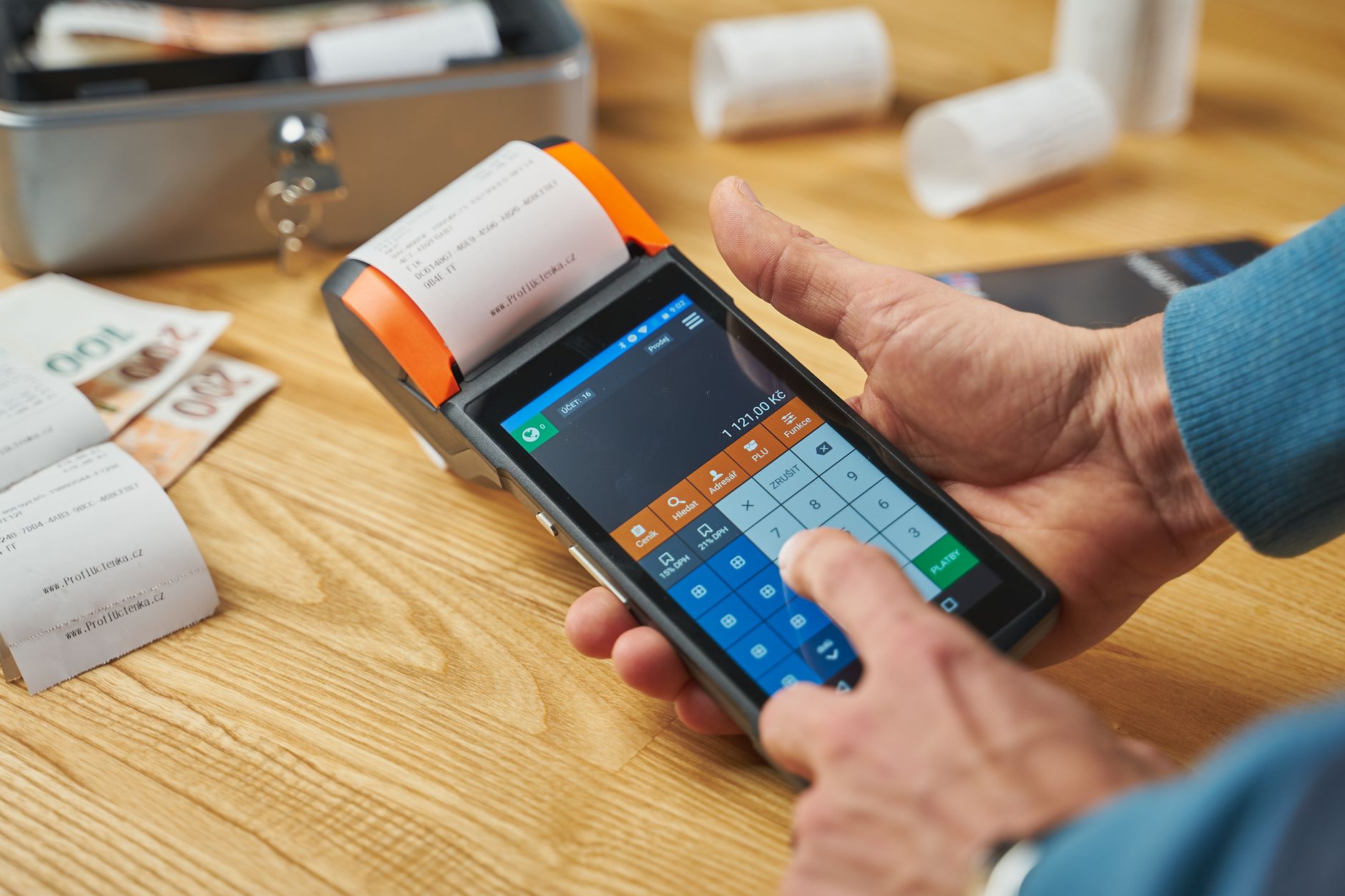
From Paper to Pixel: Understanding the E-Invoicing Mandate and What it Means for Your Manufacturing Business
The European Union's push for e-invoicing isn't just a bureaucratic update; it's a fundamental shift in how your manufacturing business will handle its financial transactions. Gone are the days of paper invoices languishing in in-trays or even PDFs requiring manual data entry. The mandate, driven by a desire for greater efficiency, reduced fraud, and a more transparent economy, requires businesses to send and receive invoices in a structured, electronic format. This isn't merely about attaching a PDF to an email; it's about using specific XML-based standards like UBL (Universal Business Language) or CII (Cross-Industry Invoice) that allow systems to communicate directly. For manufacturers, this means a significant opportunity to streamline operations, but also a crucial need to adapt existing ERP and accounting systems.
For your manufacturing operation, understanding the e-invoicing mandate means recognizing both the challenges and the significant competitive advantages it presents. Initially, there will be an investment in ensuring your software is compliant and your staff are trained. However, the long-term benefits are substantial. Consider the impact on your cash flow: faster invoice processing leads to quicker payments. Think about the reduction in manual errors, saving time and resources that were previously spent on corrections. Furthermore, compliance with these mandates isn't just about avoiding penalties; it's about positioning your business for the future. Companies that embrace digital transformation, including e-invoicing, are better equipped to integrate with supply chain partners, participate in international trade, and ultimately operate with greater agility and financial precision. This isn't just a compliance exercise; it's a strategic move towards a more efficient and interconnected manufacturing ecosystem.
E-invoicing presents a significant opportunity for manufacturing firms to streamline their financial operations, enhance accuracy, and ensure compliance with regulatory mandates. By adopting e-invoicing for manufacturing firms, they can automate the entire invoicing process, from generation to delivery and archiving, drastically reducing manual errors and processing times. This shift not only improves efficiency but also provides greater transparency and faster payment cycles, contributing to better cash flow management and stronger supplier relationships.
Your Implementation Blueprint: A Step-by-Step Guide to E-Invoicing Success and Common Pitfalls to Avoid
Embarking on your e-invoicing journey requires a meticulous, phased approach to ensure a smooth transition and maximize benefits. Begin with a thorough discovery phase, analyzing your current invoicing processes, identifying key stakeholders, and understanding specific legal and regulatory requirements in your operating regions. Next, move to the solution selection stage, evaluating various e-invoicing platforms and providers based on scalability, integration capabilities (especially with your existing ERP or accounting software), security features, and compliance expertise. A critical step is the pilot program: select a small group of vendors or customers to test the new system, gather feedback, and iterate before a full rollout. Finally, focus on training and communication, ensuring all internal teams and external partners are well-versed in the new processes and understand the advantages of e-invoicing. This structured blueprint minimizes disruption and lays the groundwork for sustainable success.
While the benefits of e-invoicing are substantial, avoiding common pitfalls is crucial for a successful implementation. A frequent misstep is underestimating the change management required. E-invoicing isn't just a technological shift; it impacts workflows and requires user adoption, so robust training and clear communication are paramount. Another pitfall is neglecting data quality and standardization; inconsistent data from the outset will lead to errors and reconciliation issues down the line. Furthermore, failing to consider international compliance nuances can lead to significant legal headaches, as e-invoicing regulations vary widely across borders. Finally, organizations often overlook the importance of ongoing vendor and customer onboarding support. Proactive assistance for partners transitioning to e-invoicing can prevent delays and foster stronger relationships. Addressing these challenges head-on will safeguard your investment and accelerate your return on e-invoicing.