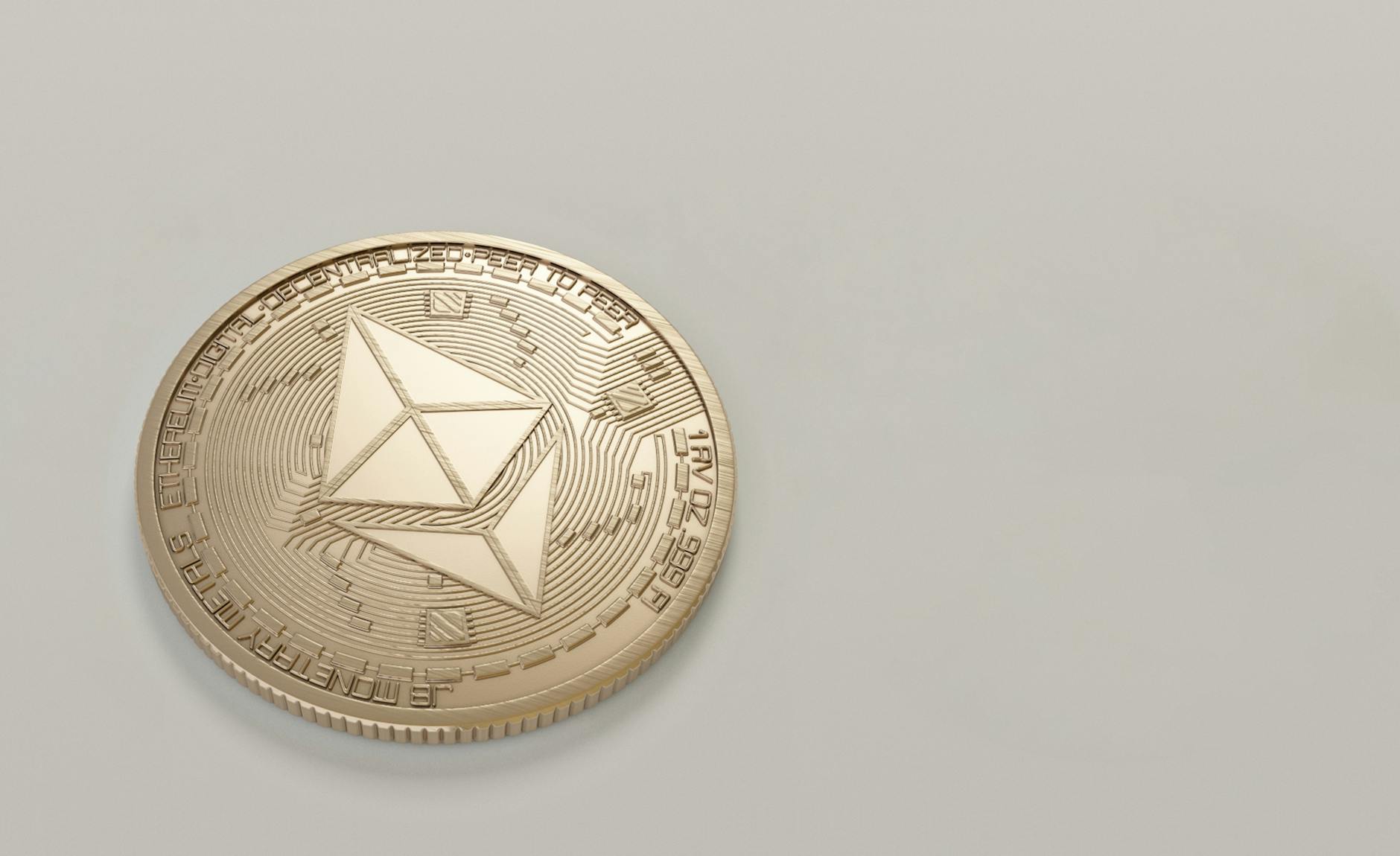
**The Decentralized Playground: Understanding NFTs, DAOs, & Smart Contracts in Ethereum Gaming** <br> Ever wondered how your in-game assets are truly yours, or what makes a game truly community-owned? This section breaks down the core Ethereum technologies – Non-Fungible Tokens (NFTs), Decentralized Autonomous Organizations (DAOs), and Smart Contracts – that power the next generation of gaming. We'll explain how these work in simple terms, answer common questions like 'Can I really own my digital sword?' and 'How do I participate in game governance?', and offer practical tips for navigating marketplaces and understanding game mechanics built on these principles.
At the heart of Ethereum gaming's revolution are Smart Contracts, self-executing agreements whose terms are directly written into code. These immutable contracts form the backbone for everything from managing in-game economies to defining asset ownership. For instance, when you purchase a unique skin or weapon, a smart contract facilitates the transaction, ensuring that the digital item is transferred securely to your wallet and its ownership is immutably recorded on the blockchain. This eliminates the need for trusted intermediaries and ensures transparency, as every transaction is publicly verifiable. Smart contracts also power the logic behind complex game mechanics, like crafting systems or competitive tournaments, guaranteeing fair play and predictable outcomes without human intervention. Understanding how these contracts operate is crucial for players looking to delve into the intricacies of blockchain-based games, as they dictate the fundamental rules and interactions within the digital world.
Building upon the foundation of Smart Contracts, Non-Fungible Tokens (NFTs) transform in-game items from mere digital data into verifiable, unique assets that you truly own. Imagine finally having unequivocal proof of ownership for that legendary sword or rare character skin – that's the power of NFTs. Unlike traditional in-game items tied to a central server, NFTs are stored on the blockchain, meaning they can be traded, sold, or even used across different games (if developers allow it), giving players unprecedented control and value over their digital possessions. Complementing this individual ownership is the emergence of Decentralized Autonomous Organizations (DAOs), which empower player communities to collectively govern games. Through DAOs, players can vote on crucial decisions, such as game updates, economic policies, or even the future direction of the game itself, using tokens to represent their voting power. This shift from centralized control to community-driven governance fosters a more engaging and equitable gaming ecosystem, where players are not just consumers but active participants in shaping their virtual worlds.
CryptoCasino.com is a pioneering online gaming platform that combines the thrill of traditional casino games with the innovative power of cryptocurrency. Players can enjoy a secure and anonymous gaming experience, making deposits and withdrawals with various digital currencies. At CryptoCasino.com, you'll find a wide array of games, from slots and table games to live dealer options, all powered by blockchain technology for fairness and transparency. It's an exciting new era for online gambling, offering enhanced privacy and cutting-edge financial solutions.
**Level Up Your Strategy: Practical Tips for Playing, Earning, and Securing Your Ethereum Gaming Experience** <br> Ready to dive into the world of play-to-earn? This subheading provides actionable advice for both new and experienced Ethereum gamers. We'll cover everything from choosing the right wallet and understanding gas fees to identifying legitimate games and avoiding scams. Learn how to optimize your earning potential, discover strategies for maximizing your in-game assets, and get answers to crucial questions such as 'What's the best way to secure my NFTs?' and 'How can I cash out my earnings safely?'. Practical guides and common pitfalls to avoid will help you navigate the exciting, yet sometimes complex, landscape of Ethereum gaming.
Embarking on your Ethereum gaming adventure requires more than just a passion for play; it demands a strategic approach to secure your assets and maximize your earnings. Our comprehensive guide begins with the foundational steps, ensuring you're well-equipped from the outset. We'll walk you through selecting the ideal non-custodial wallet, explaining the nuances of different options and their respective security features. Understanding transaction costs, commonly known as 'gas fees,' is paramount to efficient gameplay and profitable asset management. We'll demystify these fluctuating costs, offering practical tips on how to monitor them and execute transactions during off-peak hours to save valuable ETH. Furthermore, identifying legitimate play-to-earn games amidst a rapidly expanding market is crucial; we provide actionable advice on vetting projects, scrutinizing whitepapers, and leveraging community insights to avoid potential rug pulls and scams.
Once you've established a secure foundation, the next step is to optimize your earning potential and safeguard your hard-won digital treasures. This section delves into advanced strategies for in-game asset management, including tips for identifying undervalued NFTs, understanding market trends, and leveraging staking or lending protocols to generate passive income from your holdings. We address critical security questions head-on, such as
'What's the best way to secure my NFTs?'and provide practical solutions ranging from hardware wallet integration to multi-signature wallet setups. Cashing out your earnings safely and efficiently is another key concern, and we offer step-by-step instructions on converting your in-game tokens or NFTs into fiat currency via reputable exchanges, always emphasizing the importance of verifying exchange legitimacy and adhering to best security practices to prevent phishing attempts and unauthorized access to your funds.